

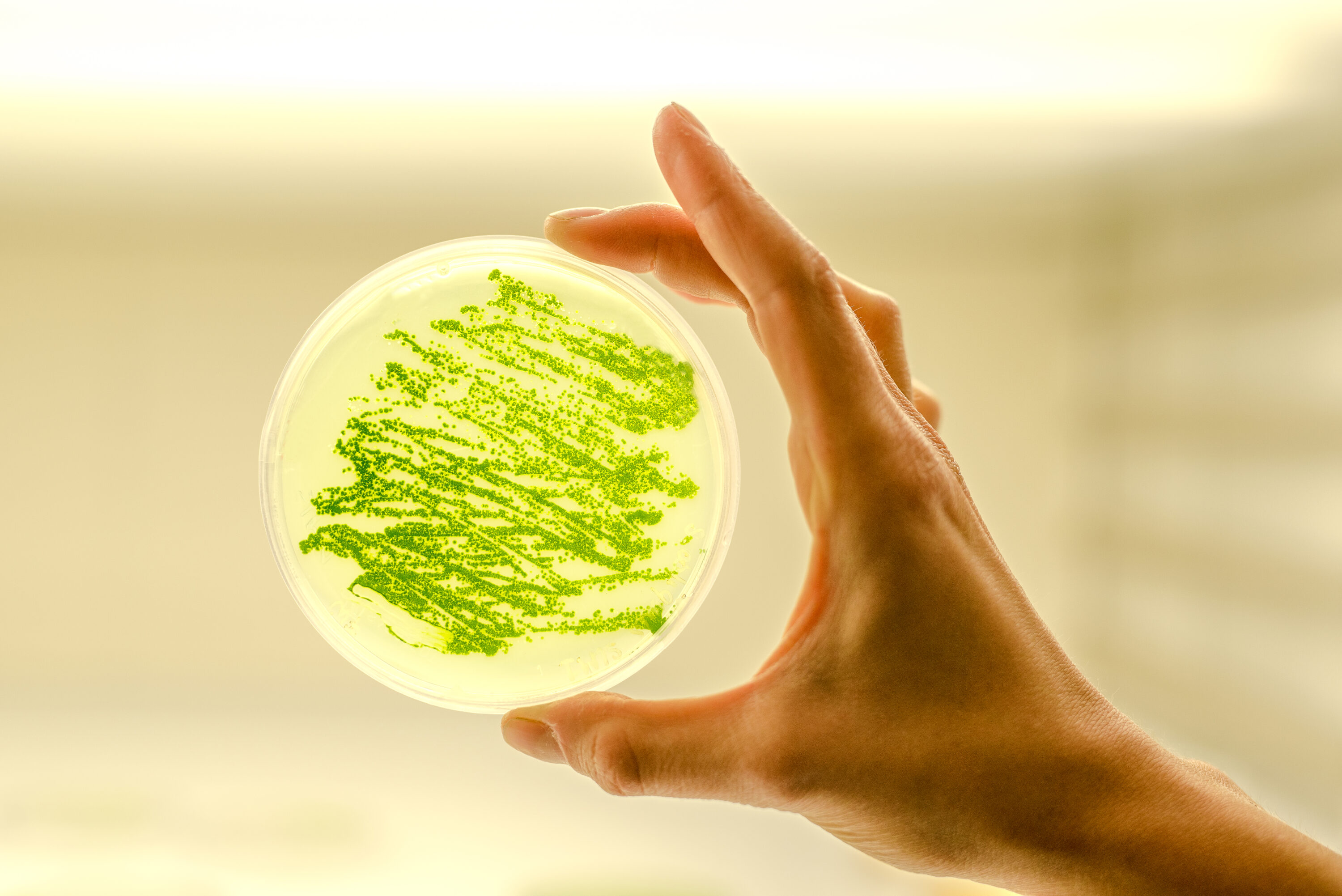
Overview of the applications and of extremophiles
Most microorganisms live in conditions similar to those humans are comfortable in places where it rarely freezes for long and temperatures do not stay above 40°C for extended periods. However, some microorganisms actively thrive in extreme environments. These are known as extremophiles, meaning lovers of extreme conditions.
Extreme environments
Examples include very hot locations such as areas around underwater volcanoes, where temperatures approach boiling point. On the other end of the spectrum are extremely cold regions like the polar areas. Extremophiles can also be found in environments with extreme acidity, salinity, pressure, or radiation.
How do they survive?
Extreme conditions usually damage cells. High temperatures can cause proteins to lose their shape and function. Cold temperatures make cells rigid and can lead to the formation of ice crystals that damage structures inside the cell. Acid can break down cellular components, while salt draws water out of the cell. Radiation damages DNA, which contains the instructions a cell needs to function.
For most organisms, these conditions are deadly. Extremophiles, however, have developed remarkable adaptations. Their proteins continue to function where ordinary proteins would fail. Their cell membranes are specially adapted, strong enough to withstand heat or flexible enough to remain intact in the cold. Some produce substances that act like antifreeze, while others can repair damaged DNA very quickly. These adaptations allow them to survive in places where most life cannot exist.
What can we do with them?
Extremophiles are not only fascinating, but they are also highly useful. For example, certain enzymes, which are specialized proteins that carry out chemical reactions, are used in laundry detergents. Some of these enzymes remain active at high temperatures or in strongly alkaline conditions, exactly the environment inside a washing machine. They help break down fats and dirt, helping us by making clothes cleaner.

Another important example comes from the COVID-19 pandemic. To detect a virus, its genetic material must first be copied millions of times. This is done using a process called PCR, which involves repeatedly heating and cooling the sample. This requires an enzyme that can withstand high temperatures. That enzyme comes from the bacterium Thermus aquaticus, which naturally lives in hot springs. Without this heat resistant enzyme, fast and reliable PCR testing would have been much more difficult.
Extremophiles also play a role in the search for sustainable energy. Some extremophilic algae can convert plant waste into fuels. Their adaptations allow them to remain active under harsh conditions such as high temperatures, high salt concentrations, or fluctuating pH levels. This makes them suitable for use in less controlled environments and more robust in bioreactors, the vessels in which these processes take place. These biofuels can be used to heat homes or power vehicles. Although this technology is still developing, it shows how extremophiles may contribute to future solutions.
In addition, extremophiles can help clean up environmental pollution, such as oil spills in the ocean or chemical contamination in soil and groundwater. Because they are adapted to extreme conditions, they often perform better in polluted environments than ordinary microorganisms. This makes them a sustainable alternative to chemical cleanup methods.
Fundamental research
Equally fascinating is what extremophiles teach us about life itself. They show that life is far more flexible than once thought and can adapt to conditions previously considered impossible. This has major implications for science. It helps us understand how life on Earth may have originated under extreme conditions and guides the search for life beyond Earth, in the harsh environments of space.
The potential applications of extremophiles are likely far greater than what we currently know. Researchers continue to search for new species and study known ones in more detail, aiming to find new solutions in healthcare, environmental protection, and space exploration.